Ignat Solzhenitsyn on Ben Shapiro about Love the Revolution

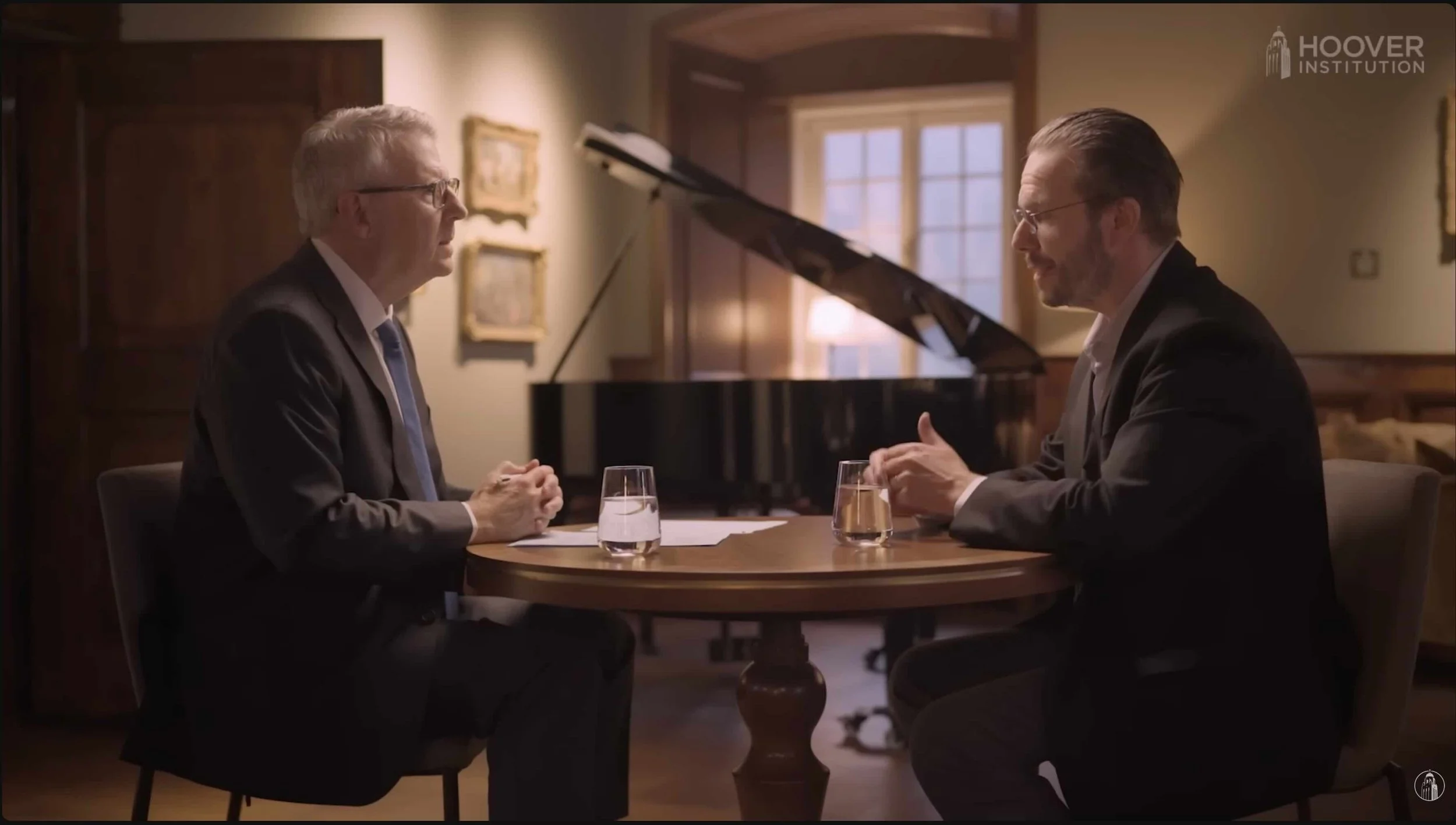
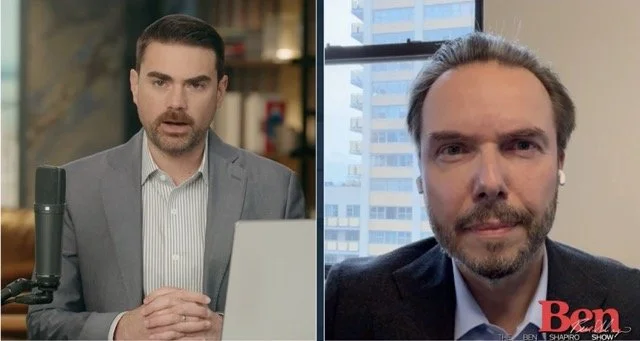
Ignat Solzhenitsyn was interviewed by Ben Shapiro about the new publication of Love the Revolution, Solzhenitsyn’s early novel of wartime and coming of age. Watch the video below.

Ignat Solzhenitsyn on Ben Shapiro about Love the Revolution

Solzhenitsyn, Too, Once Embraced the Marxist Delusion

Writing in today’s Washington Post, Ignat Solzhenitsyn examines Gleb Nerzhin, the autobiographical protagonist of Solzhenitsyn’s early novel, Love the Revolution, which is being published by HarperCollins on 17 November. See PDF down below.

“My father always said that he only began to understand life after being unjustly arrested and seeing the world from the bottom up. As he toiled under starvation rations and debated fellow prisoners who had seen the West or remembered Russian life before the Revolution, he gradually discovered that the central promises of Marxism were a grand delusion—if not an outright lie. The abolition of religion led only to secular idolatry, that of family to the coercive teat of the state, of age-old human economic incentives to involuntary collectivism, and of observed reality to a fever dream of ideological dogma. In an absurdist inversion of that most cherished of all Marxist shibboleths — being (material and social circumstances) determines consciousness—it turned out that in the Soviet Union, a make-believe consciousness was lorded over the “being” of real life.”
— Ignat Solzhenitsyn

Five Best Books on Vanished Worlds

In today’s installment of their “Five Best Books” series, the Wall Street Journal features Chelsea Follett’s “Five Best Books on Vanished Worlds,” among which she selects Solzhenitsyn’s timeless The Gulag Archipelago.

“Captivity becomes strangely captivating as the author explores how the camps reshaped their prisoners’ inner worlds. Solzhenitsyn maps the suffering and resilience of these “invisible slaves of the Archipelago” and cautions readers about the dangers of historical amnesia. Quoting a Russian proverb, he warns: “Dwell on the past and you’ll lose an eye. Forget the past and you’ll lose both eyes.””
— Chelsea Follett

Vladislav Otroshenko Awarded 2026 Solzhenitsyn Literature Prize

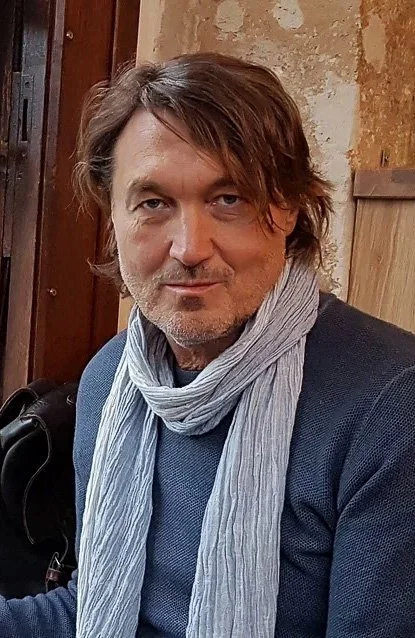
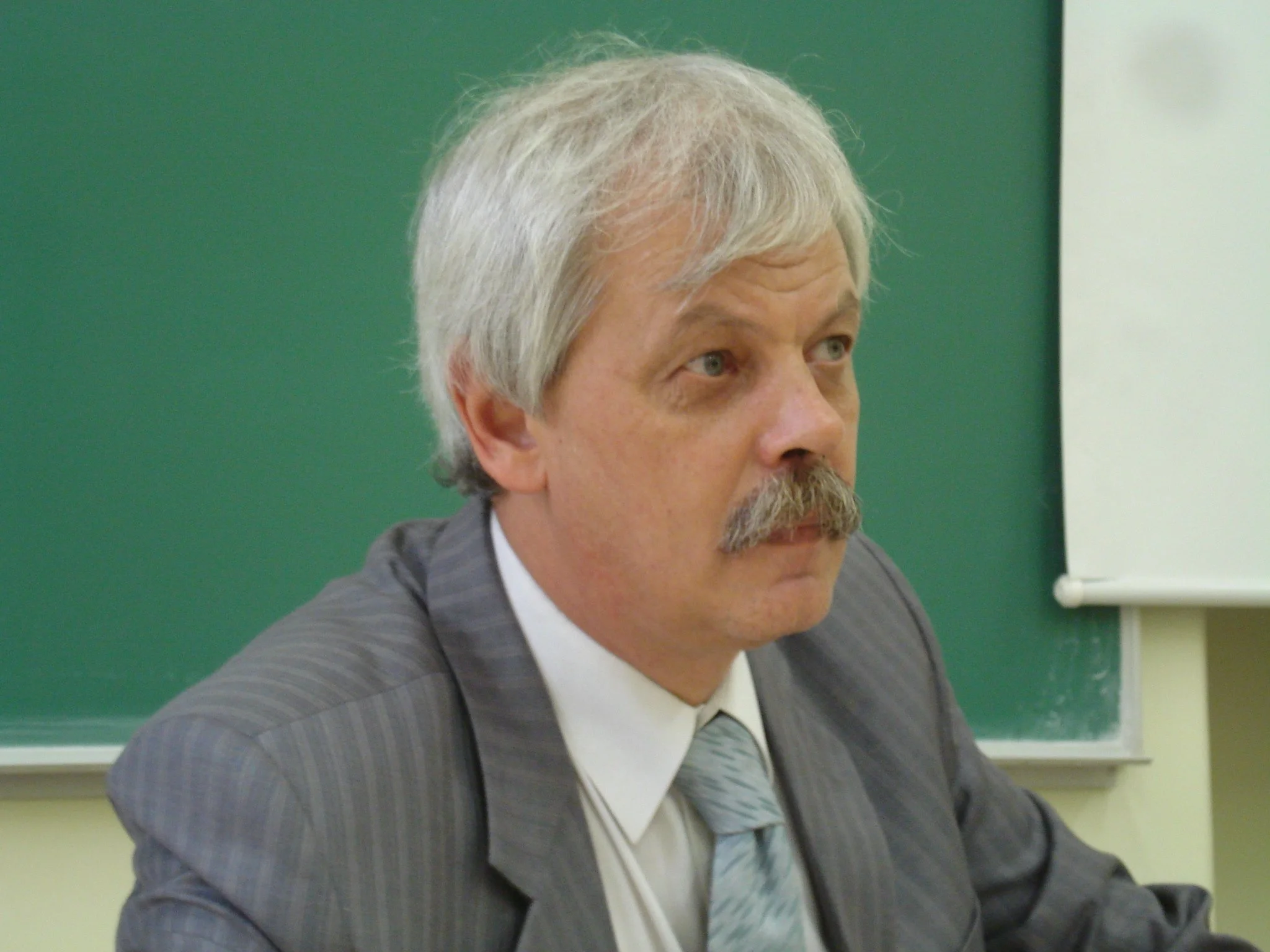
Vladislav Otroshenko

The 2026 Aleksandr Solzhenitsyn Prize in Literature has been awarded to essayist Vladimir Otroshenko “for the multidimensional portrayal of the life of the Don Cossacks in his short stories and novellas—works in which reality blends harmoniously with phantasmagoria, imbuing his artistic language with a unique magic—and for his persistent dedication to fathoming the universe of Gogol, the most enigmatic genius of Russian literature.”

The Witness and Wisdom of Aleksandr Solzhenitsyn

The Saint Austin Review has dedicated a substantial portion of its May-June issue to “The Witness and Wisdom of Aleksandr Solzhenitsyn.” Below we list the varied approaches that the distinguished contributors bring to their theme. Read the PDF down below.


Editorial

Joseph Pearce


Solzhenitsyn’s History of Russia

Lee Congdon


Mechanical Birds: Notes on Aleksandr Solzhenitsyn’s Representation of War

Richard Tempest


Beyond Soft Progressivism, Purblind Reaction, and Revolutionary Nihilism:

Solzhenitsyn’s Dialogue with Dostoevsky in The Gulag Archipelago and The Red

Wheel Daniel J. Mahoney


Solzhenitsyn on Men, Women, and Love

David P. Deavel


In the First Circle

Gabriella Greydanus


FAKE QUOTE FALSELY ATTRIBUTED TO SOLZHENITSYN

A malicious, entirely fake quote attributed to Solzhenitsyn has been making the rounds of the internet. Some versions are longer, some are shorter, but all are entirely fake, whether or not the people posting and re-posting them are aware of this. Here it is:

You must understand. The leading Bolsheviks who took over Russia were not Russians. They hated Russians! They hated Christians! Driven by ethnic hatred they tortured & slaughtered millions of Russians without a shred of human remorse. The October Revolution was not what you call in America the ‘Russian Revolution’. It was an invasion & conquest over the Russian people. More of my countrymen suffered horrific crimes at the blood-stained hands than any people, or nation ever suffered in the entirety of human history. It cannot be understated! Bolshevism was the greatest human slaughter of all time. The fact that most of the world is ignorant of this reality is proof that the global media itself is in the hands of the perpetrators. We cannot state that all Jews are Bolsheviks, but without Jews there would have been no Bolshevism. For a Jew, nothing is more insulting than the truth. The blood-maddened Jewish terrorists murdered 66 million in Russia from 1918 to 1957.

We challenge anyone to demonstrate where, exactly, Solzhenitsyn purportedly writes any of this; please indicate work title, chapter name, and page number. Knock yourselves out, but you will never be able to—because this passage does not exist in his writings. What makes a fake like this especially damaging is that it takes elements of Solzhenitsyn’s thought and re-packages them in a veneer of plausibility. (After all, Solzhenitsyn WAS an implacable enemy of Bolshevism, right?… And he DID mention the figure of 66 million casualties in his Gulag Archipelago?…) But not a single phrase in this fake is an actual quote, nor is the overall idea faithful in the least to Solzhenitsyn’s worldview. And most reprehensible of all is the attribution to Solzhenitsyn of the tired anti-Semitic canard that it was “the Jews” who were responsible for the Russian Revolution. Without minimizing Jewish involvement in the Revolution, Solzhenitsyn, in Two Hundred Years Together, nonetheless sums up his overall conclusion about that complex topic with words that unambiguously contradict the fake quote:

“During my many years of in-depth work on the February Revolution it fell to me to make out its essence and understand the role played in it by Jews. I have concluded for myself, and can reiterate now, that, no, the February Revolution was not something the Jews did to the Russians—it was undoubtedly the handiwork of Russians themselves, as I believe I have amply demonstrated in The Red Wheel.”
— Solzhenitsyn, Two Hundred Years Together, chapter 13

Please help spread the word by making your voice heard anywhere you see this fake, or ones like it, and feel free to refer back to this post.

Solzhenitsyn’s “Literary Collection” to be published in English

We are pleased to announce that a curated collection of twelve Solzhenitsyn essays (from the several dozen that make up his self-styled Literary Collection), translated by Leo Shtutin and edited by Richard Tempest, is slated to appear in English from Cherry Orchard Books (an imprint of Academic Studies Press) in Spring 2027 under the title Essays on Russian Literature. For more information, see the publisher’s website.

Aleksandr Solzhenitsyn was perhaps the foremost moral witness to Soviet totalitarianism, and the last great representative of the nineteenth-century Russian ethical tradition. This volume is a collection of Solzhenitsyn’s literary criticism, engaging with the Russian canon across decades and centuries, from Lermontov and Chekhov to Akhmatova and Brodsky. The creator of One Day in the Life of Ivan Denisovich, Cancer Ward and The Gulag Archipelago proves here that he could discern the presence of kindness or beauty in a work by an artist whose artistic practices are by and large alien to his own; or even, in his view, objectionable. Insightful, aphoristic, and occasionally provocative, these essays explore dozens of imagined worlds, crafted by some of Russia’s greatest writers and poets—and Solzhenitsyn's inimitable way of expressing himself, with lively, witty, sometimes waspish turns of phrase, is very much at the fore. 

How Solzhenitsyn Found Faith

Gary Saul Morson, who has written before on Solzhenitsyn’s spiritual journey back to God, has a deeply thoughtful new piece on this theme in the current issue of Plough (paywall). It’s a wonderfully reflective and comprehensive account of how the scales of ideology fell from Solzhenitsyn's eyes in the camps and he found faith once again. Read the full PDF below.

“And so the faith of his ancestors survived within him: “Without even knowing it ourselves, we were ransomed by the small change in copper that was left from the golden coins our great-grandfathers had expended, at a time when morality was not considered relative and when the distinction between good and evil was very simply perceived by the heart.””
— Gary Saul Morson, quoting Solzhenitsyn

Solzhenitsyn and the Demon of Evil

“I was just watching another wonderful interview by Peter Robinson of the Hoover Institution, on Uncommon Knowledge, this time with Solzhenitsyn’s son, the pianist Ignat Solzhenitsyn. The musician is himself fascinating to hear and see as a blend of Russian and American, as well as a beautiful artist. ”
— David Klinghoffer

In a post at Science and Culture Today, author David Klinghoffer reflects on Peter Robinson’s conversation with Ignat Solzhenitsyn. Watch it below.

Mamdani and Solzhenitsyn

An editorial in today’s Wall Street Journal took issue with Zohran Mamdani’s inaugural address, or at least with his pronouncement that “we will replace the frigidity of rugged individualism with the warmth of collectivism.”

“For the cold reality of collective warmth, we recommend “One Day in the Life of Ivan Denisovich” by Alexander Solzhenitsyn”
— editorial, Wall Street Journal

Vasili Bochkaryov Awarded 2025 Solzhenitsyn Literature Prize

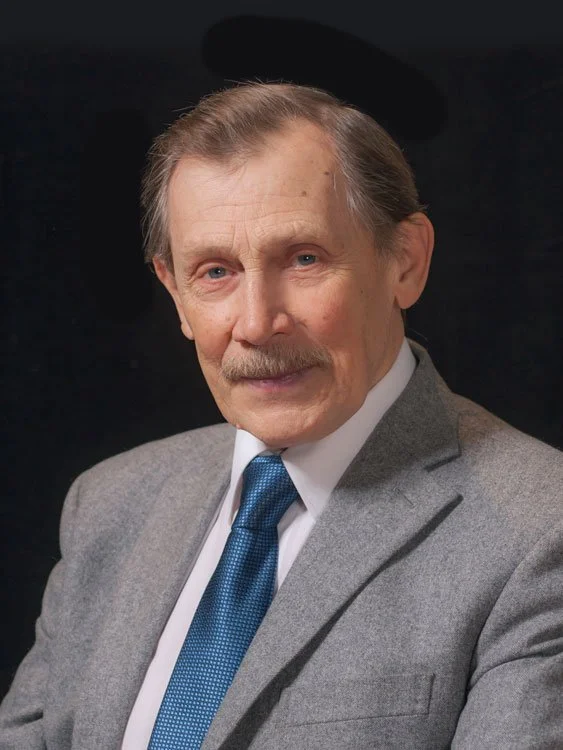
Vasili Bochkaryov

The 2025 Aleksandr Solzhenitsyn Prize in Literature has been awarded to theater and film actor Vasili Bochkaryov, “for the creative development of the traditions of Russian psychological theater, the talented embodiment of characters from Russian and world drama, and a masterful command of the verbal and intonational richness of stage speech.”

UNDP Interview with Ignat Solzhenitsyn, Editor of “We Have Ceased to See the Purpose”

Here is a short interview with Ignat Solzhenitsyn, editor of We Have Ceased to see the Purpose: Essential Speeches of Aleksandr Solzhenitsyn, on the UNDP blog. The collection comes out April 1, 2025 from UNDP.

“Certainly these are unprecedented times in the United States, Europe, and around the world. What can readers find in your book that will resonate with them during this era?

Times change, but human beings change very little. And so Solzhenitsyn’s essential call for us to examine the purpose of our lives—“what are we living for?”—remains relevant and even pressing.

”
— from interview with Ignat Solzhenitsyn

Solzhenitsyn and the Life of Truth

Over at National Review, Elizabeth Edwards Spalding writes about the current plight of Alexei Navalny and about the impact of The Gulag Archipelago.

“Augustinian at his Christian core, Solzhenitsyn offers that it was during his suffering in the Gulag that “I sensed within myself the first stirrings of good.” In poetry that he composed and memorized in the camp, he reflects on rediscovering his belief in God: “Though I renounced You, You were with me!” For Solzhenitsyn, the heavy load he was permitted to carry away from his Gulag years led to the “essential experience” — and understanding — of “how a human being becomes evil and how good.””
— Elizabeth Edwards Spalding

Andrei Nemzer Awarded 2024 Solzhenitsyn Literature Prize

Andrei nemzer

The 2024 Aleksandr Solzhenitsyn Prize in Literature has been posthumously awarded to literary critic Andrei Nemzer “for heartfelt devotion to the service of Russian literature and a passionate defense of its moral and aesthetic foundations; and for a high level of professionalism in scholarly, literary-critical, and pedagogical work within the realm of Russian letters over its two-century span.” Nemzer passed away in December 2023.

Eliot Cohen Rediscovers the Harvard Address

In this month’s The Atlantic (paywall), Eliot A. Cohen—Johns Hopkins professor and former State Dept. counselor—rediscovers the wisdom and urgent relevance of Solzhenitsyn’s great Harvard Address. Read full text below in PDF.

Le Figaro special Solzhenitsyn issue

The esteemed French daily newspaper, Le Figaro, has presented a rich panoply of materials in its 15 December 2023 issue, timed for the 50th anniversary of the first publication of The Gulag Archipelago (in Russian in Paris in December 1973) and to the new grand exhibition on Solzhenitsyn’s life that opens today in the Vendée.

We present the materials below in PDF, with a brief explanation of each:

on page 1, there is a tremendous editorial by Étienne de Montety, entitled “Géant et prophète” (“Giant and Prophet”), that eloquently expresses Solzhenitsyn’s unending relevance today.

“In December 1973, a book was published in Paris that hit like a bombshell. Its author possessed the stature and intimidating presence of a character from a Dostoevsky novel.”
— Étienne de Montety, Le Figaro

on page 18, there is a Guillaume Perrault article, “Il y a 50 ans, « L’Archipel du Goulag » de Soljenitsyne” (“50 Years Ago, Solzhenitsyn’s Gulag Archipelago”). Written in tight, present-tense prose, this is a blow-by-blow account of Solzhenitsyn’s life until the moment of his expulsion to the West in February 1974.

“In late December 1973, a famous book—written in secret by a great Russian author and smuggled to the West—was published in Paris. In it, he defies the leaders of the USSR, putting his own life on the line. Its pages would profoundly shake France and the entire Western world. Communism would never recover.”
— Guillaume Perrault, Le Figaro

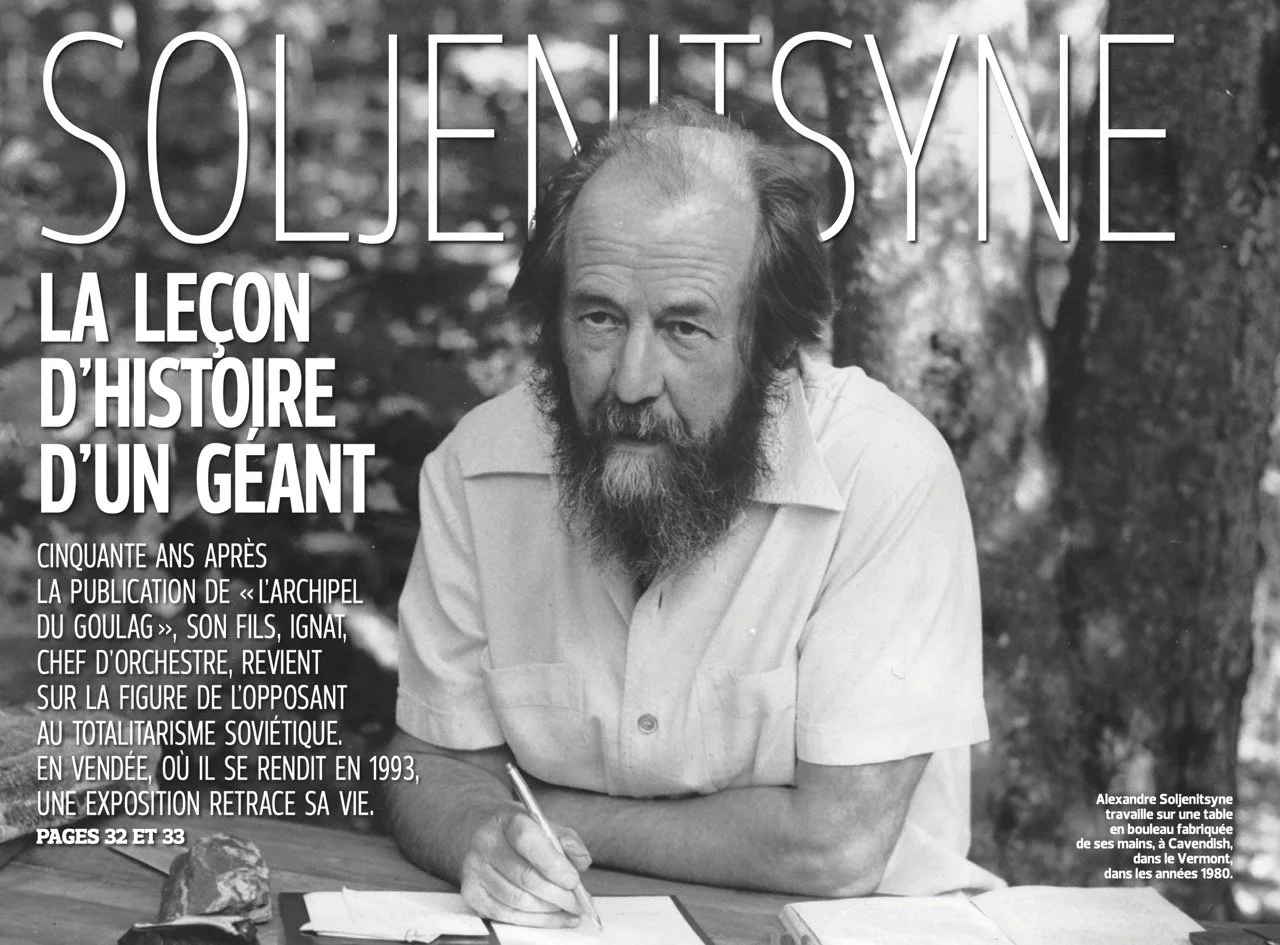
on the cover page of the LE FIGARO ET VOUS section, there is a giant photo of Solzhenitsyn with the headline: “La Leçon d’ Histoire d’un Géant” (The Giant’s History Lesson”).

on pages 32–33 there is an Étienne de Montety interview with Ignat Solzhenitsyn: “La mission de mon père qui consistait à parler et à être la mémoire d’un peuple qui avait perdu sa voix” (“my father’s all-encompassing mission was to be the memory of a people who had lost their voice”).

“my father’s all-encompassing mission was to be the memory of a people who had lost their voice.”
— Ignat Solzhenitsyn

on those same pages 32–33 Dorian Grelier describes the sweep and power of the grand exhibition on Solzhenitsyn’s life opening tomorrow in the Vendée.

finally, on page 33, Paul-François Paoli offers a remembrance of Solzhenitsyn’s historic September 1993 speech at the dedication of the Vendée Memorial, and the bloody legacy of the 1794 massacre it commemorates.

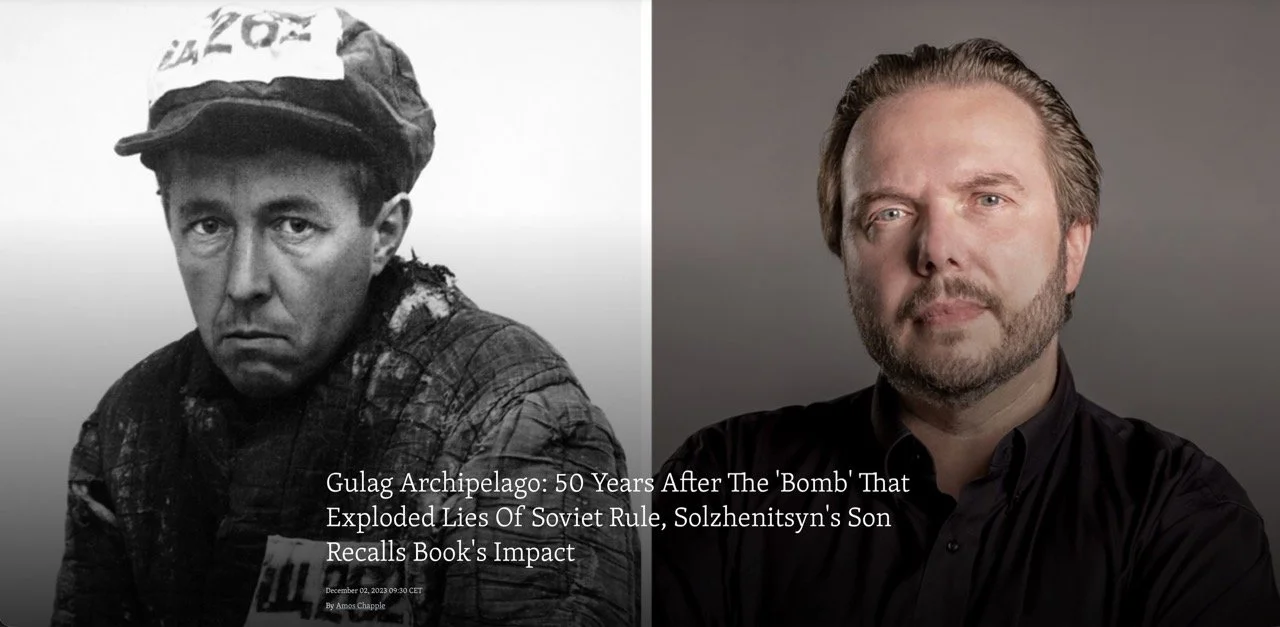
Ignat Solzhenitsyn Interview with Amos Chapple on The Gulag Archipelago

RFE/RL has posted a new interview with Ignat Solzhenitsyn, conducted by Amos Chapple, on the enduring legacy of The Gulag Archipelago 50 years after its publication.

“Ignat, who is now a famed conductor and pianist living in New York, says The Gulag Archipelago “has never stopped being relevant,” for its “meditation on the nature of evil, and on the true nature of Marxism and communism.”

His father’s great insight, Ignat believes, was that evil exists not within any group that can be marked out, but as a kernel within every ordinary person, waiting for the climate and dark soil to sprout.”
— Amos Chapple

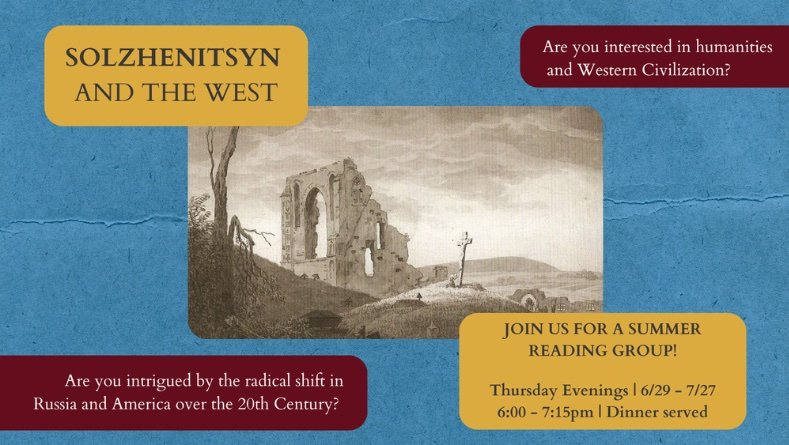
Solzhenitsyn Reading Group at Harvard

Harvard’s Abigail Adams Institute has announced a Solzhenitsyn summer reading group, to focus on five of the author’s most probing speeches and essays.

“I cannot think of any more worthwhile study for any student on any campus today than to go carefully through all the writings and discourses of Aleksandr Solzhenitsyn.”
— Malcolm Muggeridge

Update on The Red Wheel in English

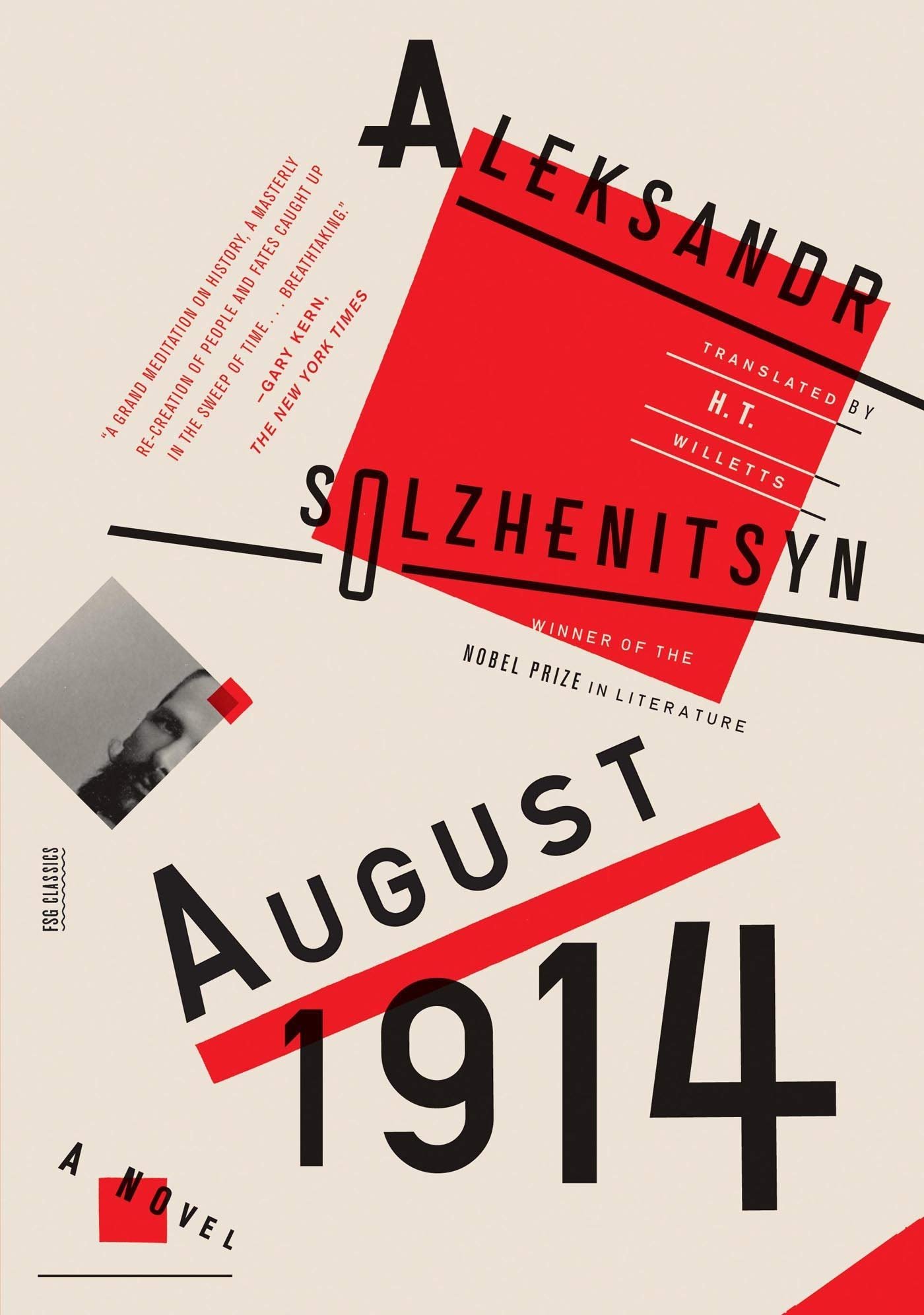
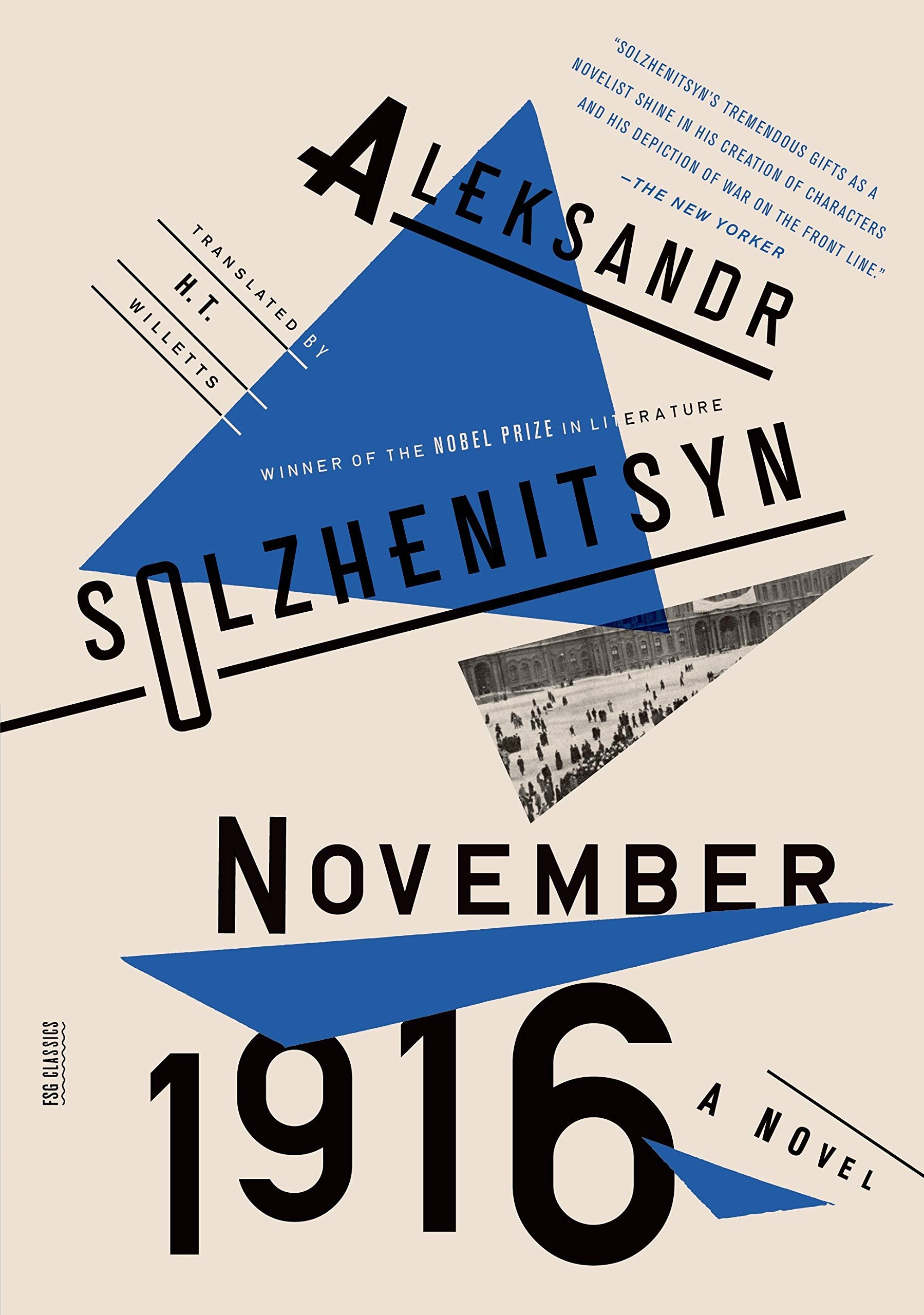
Progress in completing the publication of The Red Wheel—Solzhenitsyn’s epic of the Russian Revolution—is proceeding slowly but surely. Readers are reminded that there was an unfortunate, tremendous lull after the 1989 publication of Node I and the 1999 publication of Node II. Once a new translator (Marian Schwartz) and publisher (University of Notre Dame Press) took on the task to bring out the remainder of the book in English, a new book of Node III (March 1917, itself consisting of four books) has come out every other autumn since 2017, i.e. in 2017, 2019, 2021. Book 4 is slated for October 2024, completing Node III, and thereafter the two books of Node IV (April 1917) will follow in due course.

We remind Solzhenitsyn readers of the overall sequence of the 10-volume Red Wheel: