Masterpiece of Our Time
/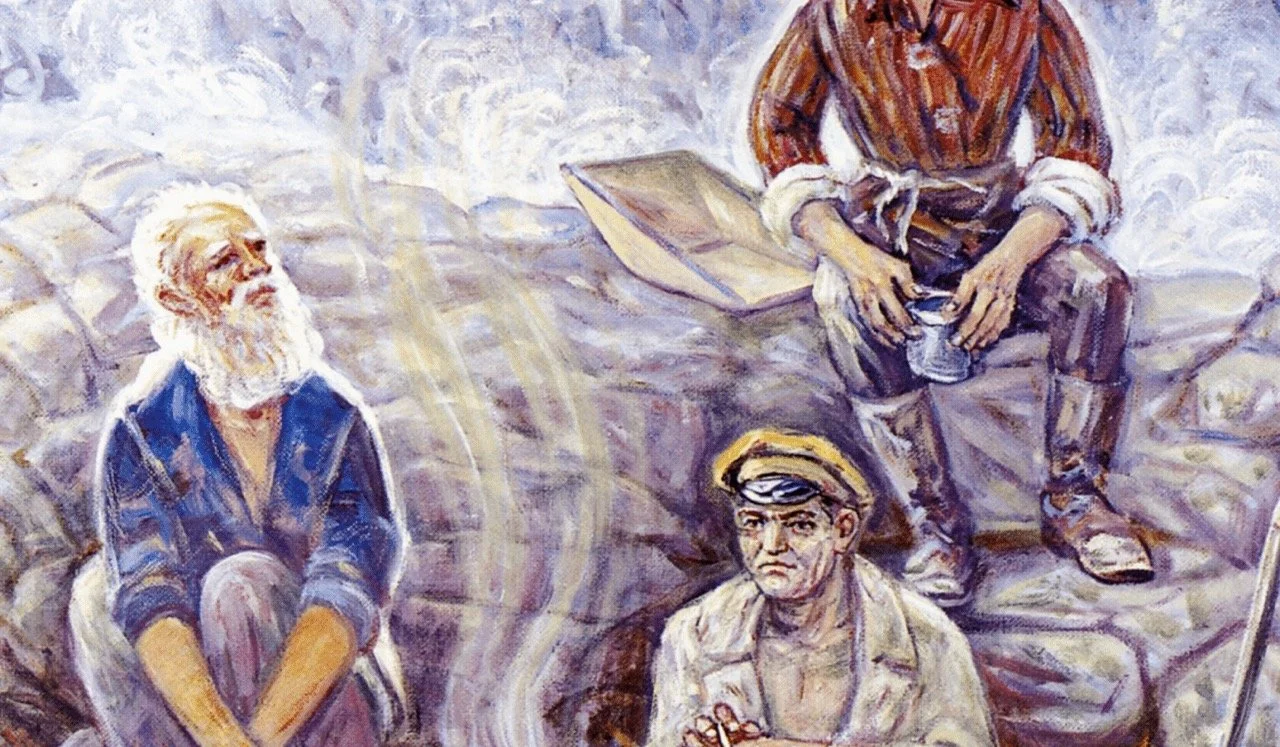
Nikolai Getman, The Gulag Collection: The Preacher, 1988, Oil on canvas, Victims of Communism Memorial Foundation, Washington, D.C.
In this month’s New Criterion, Gary Saul Morson pays tribute to The Gulag Archipelago at 50, hailing it as “the masterpiece of our time”.
“Why doesn’t Solzhenitsyn’s catalogue of horrors grow boring? You read three long volumes about boots trampling on human faces and your attention never flags. One reason is that Solzhenitsyn, like Edward Gibbon, is a master of ironic narration. At times, the book is unexpectedly funny. Along with The Decline and Fall of the Roman Empire, it stands as one of the great satires of world literature.
But it is the nature of Solzhenitsyn’s “experiment in literary investigation” that best explains why this book remains riveting. Gulag is structured as what might be called a collective autobiography. Readers learn about Solzhenitsyn’s personal experiences, and the author also records the analogous experiences of others. He seems to say: here is how I was arrested, and now here is how it happened to others; here is how I addressed the moral choices I faced; others reacted differently. Stalin is supposed to have said that one death is a tragedy but a million is a statistic. Through collective autobiography, Solzhenitsyn allows the reader to sense, if not a million tragedies, then at least many thousands of individual ones.”