Solzhenitsyn and the Spirituality of Self-Limitation
/
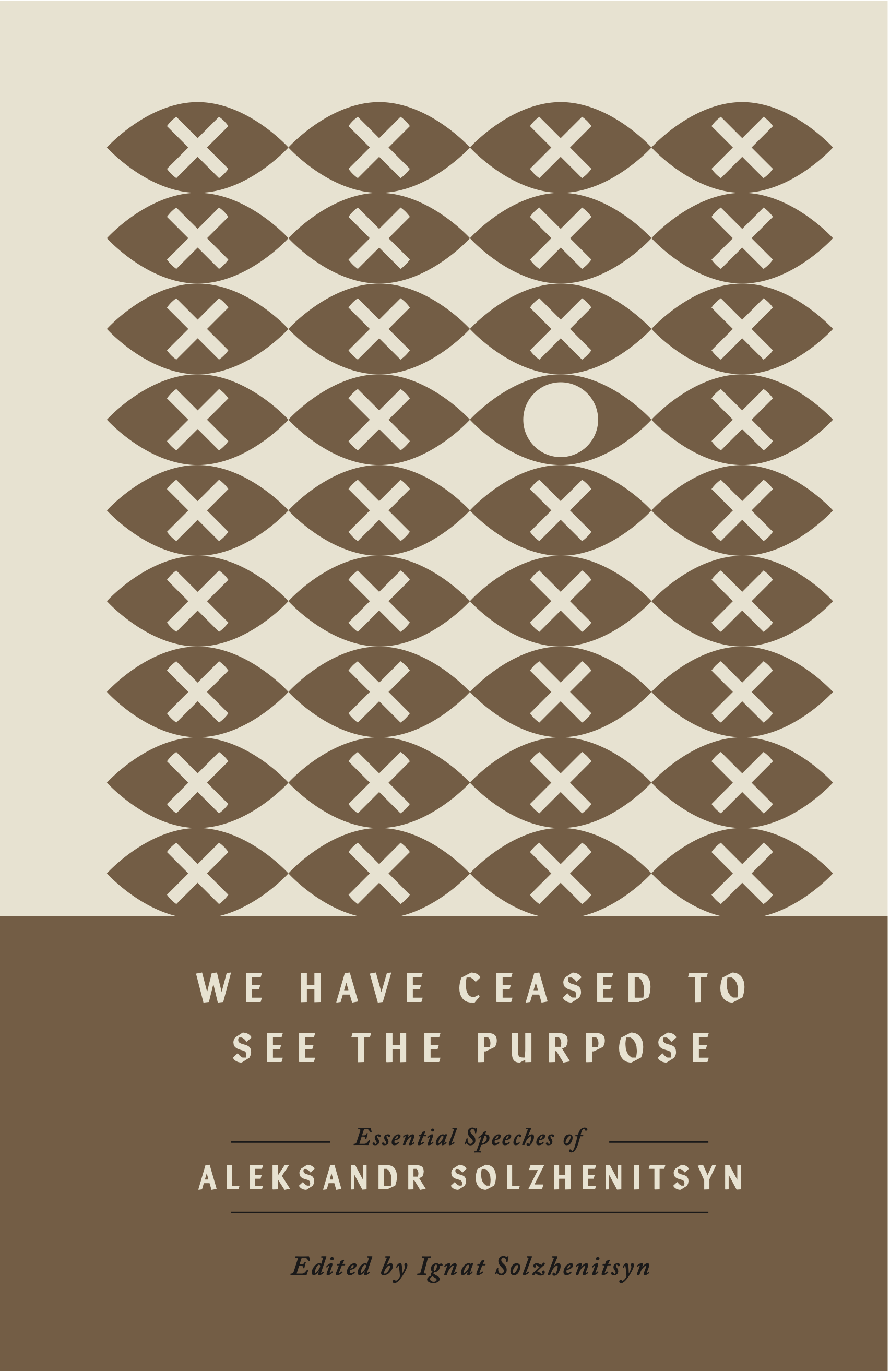
Here is a new review, by William Scott at the University Bookman, of We Have Ceased to see the Purpose: Essential Speeches of Aleksandr Solzhenitsyn, which came out last April with UNDP.
“In the end, therefore, Solzhenitsyn’s brilliant and thought-provoking speeches amount to a compelling plaidoyer for personal accountability, responsibility, and self-restraint; a plea for the value of life as one steady effort of continuous “moral ascent.” It is this, and this alone, which defines “true” freedom, as Solzhenitsyn understands it: namely, the freedom to grow spiritually, through self-limitation and the superordination of moral obligation over the baser impulses of one’s nature. Having lost touch with this morally grounded notion of freedom over the last two hundred years, Solzhenitsyn asserts, the West created the conditions for the horrors of the twentieth century that it was then forced to suffer through. It follows, then, that, failing the effort to revive a genuinely humane reverence for the numinous, divine source of moral principle, there is no reason to expect that the twenty-first century will be any less barbaric than its predecessor.”