Rhetorical Craft, Enduring Relevance
/
Here is a wonderfully appreciative review by Stephen Rippon of We Have Ceased to see the Purpose: Essential Speeches of Aleksandr Solzhenitsyn that appeared at VoegelinView yesterday. It highlights the essential features of the volume while paying equal attention to the philosophical and rhetorical dimensions of the speeches.
“Ignat Solzhenitsyn has selected and edited a new collection of his father’s speeches that capture Solzhenitsyn’s prophetic vision, philosophical reflections, and rhetorical prowess. Readers of We Have Ceased to See the Purpose: Essential Speeches of Aleksandr Solzhenitsyn will find his most famous speeches – the Nobel Lecture, the Harvard Address, and the Templeton Lecture – together with seven others that are lesser-known. The collection offers several features that make it an excellent resource for Solzhenitsyn studies in English: lucid translations, background about each speech, a timeline of Solzhenitsyn’s life, notes describing the historical events Solzhenitsyn refers to, suggestions for further reading, and an index of key topics in all the speeches.
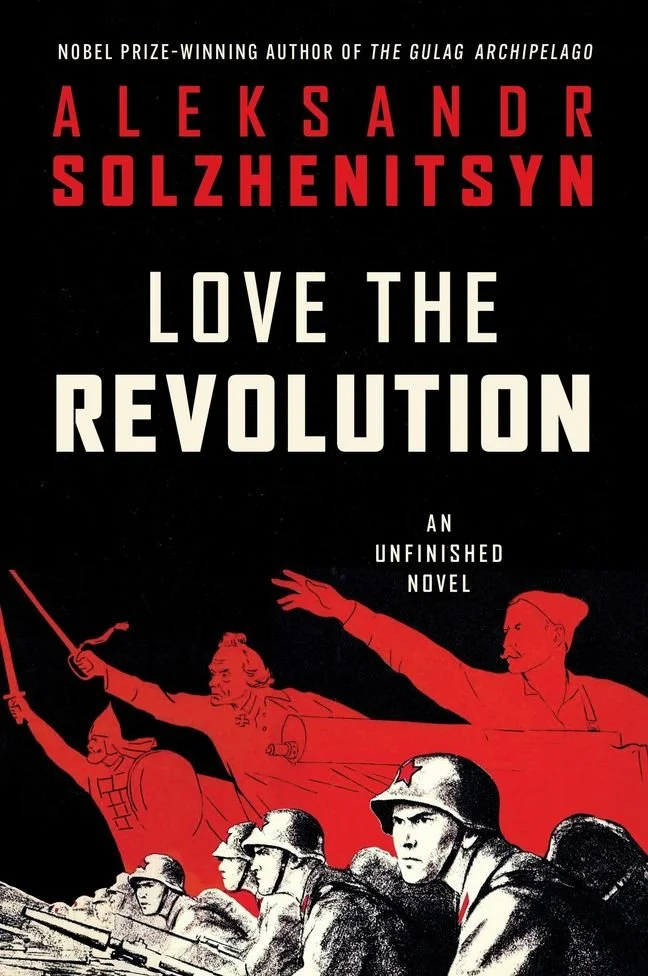
The introductory piece by Ignat Solzhenitsyn, “Not Everything Can Be Named,” provides an especially helpful perspective: he notes that Solzhenitsyn’s main work during the period of these speeches, 1972 to 1997, was writing the series of novels about the Russian Revolution, The Red Wheel. The invitations to give these speeches offered a “refreshing, if brief, change of pace” while immersed in his longer writing projects (xvii).
The experience of reading the ten speeches in this compact volume allows for concentrated reflection on several facets of Solzhenitsyn’s work that prove his continuing relevance, including his prophetic critiques of the West, his reflections on our neglected souls, and his guidance toward a better world.”